What to Do After a Car Accident
A car accident can leave you shaken and unsure what to do next. This guide gives general information about common first steps, your rights, and how to find help if you need it.
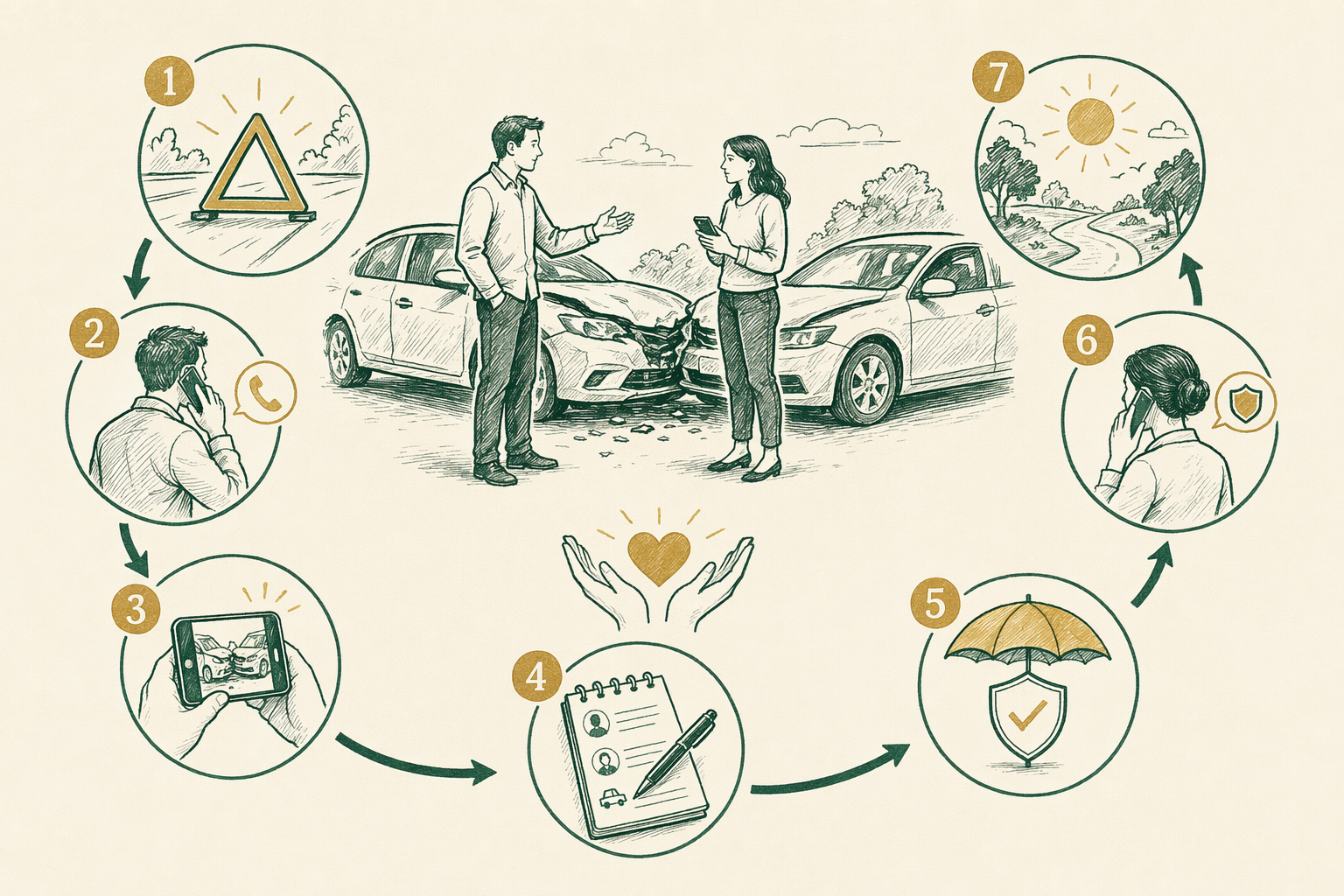
Start with safety and basic facts
If you are in immediate danger, call 911. If you can move safely, get to the side of the road and turn on your hazard lights. Check yourself and others for injuries. If anyone may be hurt, ask for medical help right away.
If the police come, they may make a police report, which is a written record of what happened. Ask how to get a copy later. Try to stay calm. Do not argue about who caused the crash. Do not say it was your fault, even if you feel upset or unsure.
Exchange information with the other driver. Get their name, phone number, address, driver's license number, license plate number, and insurance details. If there were witnesses, ask for their names and contact information too. If you can do so safely, take photos of the cars, the road, traffic signs, and any visible injuries.
What to do in the first 24 hours
- Get medical care if you have pain, dizziness, bleeding, or any symptom that worries you. Some injuries show up hours or days later.
- Report the accident to your insurance company as soon as you can. Give basic facts. Avoid guessing if you are not sure about something.
- Write down what you remember, while it is still fresh. Note the time, place, weather, traffic, and what happened before the crash.
- Keep copies of everything, including photos, repair estimates, medical papers, receipts, tow bills, and the police report number.
- If an insurance adjuster calls, stay polite and careful. An insurance adjuster is the person who reviews claims for the insurance company. You can give basic information, but you do not have to guess or accept a quick payment right away.
- If you feel overwhelmed, you can use our free lawyer matching service to look for a licensed attorney who handles injury cases. Legal Bearings is not a law firm and does not give legal advice. It is a free matching service for readers and is paid a flat fee by participating attorneys.
Why medical care matters, even if you feel "okay"
After a crash, your body may be full of stress chemicals. That can hide pain for a while. Neck pain, back pain, headaches, and concussions, which are brain injuries caused by a hit or sudden movement, may appear later.
Getting checked by a doctor creates a medical record. A medical record is the file showing your symptoms, treatment, and dates of care. This can matter if you later need to show that your injuries may be related to the accident. Follow the treatment plan as closely as you can. Save receipts for medicine, medical devices, and transportation to appointments.
If English is hard for you, ask for an interpreter. Many hospitals and clinics provide language help. Bring a trusted person if you can, but make sure you understand the papers before signing them.
Be careful with insurance and settlement offers
The other driver's insurance company may contact you quickly. They may ask for a recorded statement. A recorded statement is an interview they save in audio or video form. In many cases, people choose to be cautious before giving one, especially if they are hurt or still learning the facts.
You may also hear the word settlement. A settlement is an agreement to resolve a claim, often with money, without going to trial. If you accept a settlement too early, you may give up the right to ask for more later. That can be a problem if your injuries get worse or your costs grow.
This does not mean every case needs a lawyer. But if you have serious injuries, missed work, unclear fault, pressure from insurers, or trouble with language, legal help may be useful. You can read more about injury legal services and then decide what fits your situation. For advice about your specific case, talk to a licensed attorney in your state.
Documents and evidence to keep
- Police report number and officer name, if police responded
- Photos and videos from the scene
- Names and contact details for drivers and witnesses
- Your insurance claim number
- Medical visit summaries, bills, and prescription receipts
- Car repair estimates, tow bills, and rental car receipts
- Proof of missed work, such as pay stubs or a note from your employer
- Notes about your pain, symptoms, and how the injury affects daily life
Watch for pressure and scams
Know your options, especially if cost or language worries you
Many people worry they cannot afford legal help. Costs vary by state and your situation. Some injury lawyers offer a free first consultation, which is a first meeting to talk about the case. Others may charge a small fee for that meeting. Ask about language support, experience with car accident cases, and how fees work before you agree to anything.
If you are new to the USA, you may also worry about immigration status or speaking limited English. A car accident claim is usually about insurance, injuries, and property damage. Still, every person's situation is different. A licensed attorney can explain how your state laws may apply to you.
If you want help finding someone, get matched for free. Legal Bearings is not a law firm. It provides general education and a free way to connect with participating licensed attorneys. It is paid a flat fee by attorneys who participate, not a share of your recovery or legal fees.
Common questions
Do I have to call the police after every car accident?
Rules vary by state and by the seriousness of the crash. If someone is hurt, a car cannot be moved safely, or there is major damage, calling the police is often important. Even in a smaller crash, a police report may help document what happened.
What if I do not have a driver's license or I am worried about my immigration status?
A car accident case often involves insurance, injuries, and damage to property. Still, your situation may have extra risks. It is smart to speak with a licensed attorney in your state before making important decisions or signing papers.
Should I talk to the other driver's insurance company?
You may give basic facts, but be careful. Do not guess, exaggerate, or agree to a recorded statement if you do not understand the purpose. If you are injured or feel pressured, a licensed attorney may help you decide how to respond.
How much does a car accident lawyer cost?
Costs vary by state and your situation. Some lawyers offer a free consultation. Others may charge about $0 to $300 for a first meeting. If you are thinking about hiring a lawyer, ask for the fee terms in writing and make sure you understand them.
How long do I have to make a claim?
There are time limits, often called a statute of limitations. A **statute of limitations** is the legal deadline to start a case. The deadline depends on your state and the type of claim, so do not wait too long to ask a licensed attorney about your specific facts.
In plain English: First, stay safe, get medical care, and save proof, then talk to a licensed attorney if you are hurt, confused, or feeling pressured.