I Need a Lawyer Urgently — What to Do
If you need a lawyer fast, you still have choices. This guide explains what to do first, how to compare your options, and how to find a licensed lawyer who may fit your case, budget, and language needs.
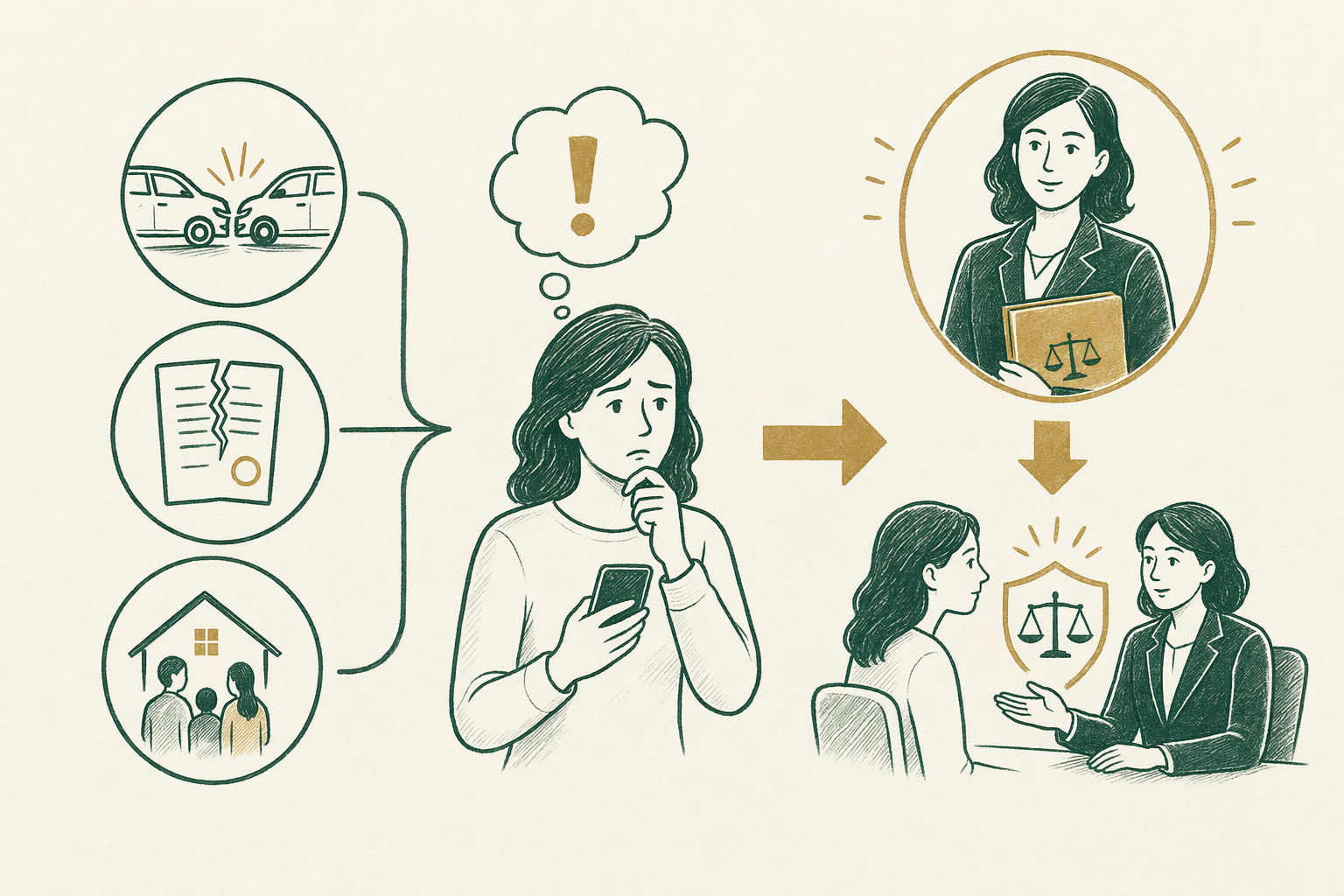
Start with safety and deadlines
If someone was arrested, there is a court hearing very soon, you got papers with a deadline, or you are in danger, act today. A deadline is the last day to file papers or respond. Missing it can hurt your case.
Put your most urgent facts in one place. Write down names, dates, the court name if there is one, your city and state, and what happened. Take photos or screenshots of letters, tickets, court notices, emails, texts, or contracts.
If English is hard for you, ask for language help early. An interpreter is a person who translates spoken language. A translator translates written words. You can learn more in working with an interpreter.
What to do in the next hour
- Make a short timeline. List the problem, the dates, and the next deadline.
- Gather your documents. Keep them in one folder on your phone or in paper form.
- Do not sign new papers, give recorded statements, or post details online until you understand what they mean.
- If this is about a court date, arrest, eviction, immigration interview, domestic violence, job firing, or a serious injury, try to speak with a licensed attorney today.
- When you contact a lawyer, ask if they handle this type of case in your state, what language support they offer, and how soon they can talk.
- If you want help finding options, you can use our free get matched service. Legal Bearings is not a law firm and does not give legal advice. It helps connect people with participating licensed attorneys.
Your fastest options, compared
When time is short, people often choose between four paths.
Option 1, call a private lawyer directly. This may be the fastest if you already know the right kind of lawyer. A licensed attorney is a lawyer allowed by a state to practice law there. This option may work well for urgent criminal, family, immigration, housing, injury, or job issues. The hard part is knowing who is real, who handles your kind of problem, and who can talk soon.
Option 2, use a lawyer matching service. This can save time if you do not know where to start. A matching service sends your request to lawyers who may handle that type of case. Legal Bearings offers free matching for readers and is paid a flat fee by participating attorneys. It is not a law firm and does not give legal advice. You can also read how to choose a lawyer.
Option 3, contact legal aid or a nonprofit. Legal aid means free or low-cost legal help for people who qualify, often based on income or case type. This may be a strong choice for housing, domestic violence, family law, public benefits, and some immigration matters. But some programs have waitlists or limited case types.
Option 4, go to court or the agency alone for now, then get help fast. Sometimes you must appear even if you do not have a lawyer yet. If so, bring your papers, ask the clerk or staff what your next date is, and ask whether interpreter help is available. This is not the same as getting legal advice, but it may help you avoid missing a hearing while you keep looking for counsel.
How to tell if a lawyer is a good urgent fit
- They handle your type of case often, not just once in a while.
- They are licensed in your state, or the state where the case is filed.
- They can speak with you soon, or their office can clearly explain the next step.
- They explain fees in writing. A fee agreement is a paper that says what you pay and what the lawyer will do.
- They can work with your language needs, either directly or with an interpreter.
- They ask for key documents and facts, not just money first.
- They do not promise a result. No honest lawyer can guarantee an outcome.
- They tell you who will work on your case and how you will get updates.
Watch for red flags
Questions to ask before you hire anyone
A consultation is a first meeting or call to talk about your problem. Some consultations are free. Some cost money. Cost varies by state and your situation.
Ask simple questions. What kind of cases like mine do you handle? Are you licensed in my state? What are the next deadlines? What are the possible fees? Will I work with you or with another person in your office? If I need language help, how will that work?
Also ask how they charge. A flat fee is one set price for a service, like reviewing a contract or handling one hearing. An hourly fee means you pay for each hour worked. A contingency fee usually means the lawyer may get paid only if money is recovered in some civil cases, such as some injury claims. Not every case allows that kind of fee.
If something is unclear, ask for it in writing. If possible, have a trusted person help you read the agreement. Do not let shame or fear stop you from asking basic questions. Good lawyers hear these questions every day.
If cost or language is stopping you
Many people wait too long because they think a lawyer will always be too expensive or impossible to talk to. That is not always true. Some lawyers offer payment plans, short paid advice sessions, flat fees for limited work, or free consultations. Costs vary by state and your situation.
Language support also matters. Some law offices have bilingual staff. Others use professional interpreters. Ask this before you book. You should be able to understand what you are signing and what your choices are.
If you are worried about being taken advantage of, slow down enough to verify who you are dealing with. Ask for the lawyer's full name, office address, state license information, and a written fee agreement. Keep copies of everything.
If you want a simpler place to start, you can use our free get matched service. Legal Bearings is not a law firm. It shares your request with participating licensed attorneys and may help you find someone who handles your issue and language needs more quickly.
Common questions
How fast can I get a lawyer?
It depends on the case type, your state, and lawyer availability. Some people speak with a lawyer the same day. Others may need a few days. If there is a court date or deadline, say that right away when you ask for help.
What if I cannot afford a lawyer right now?
Ask about free consultations, payment plans, limited-scope help, or legal aid. **Limited-scope help** means a lawyer handles only part of the case, not everything. Cost varies by state and your situation. A licensed attorney can tell you what may be possible for your case.
Can a notary or immigration consultant help me instead of a lawyer?
Be careful. In the United States, a notary is usually not a lawyer. In some communities, the word sounds similar to a lawyer's role in another country, but it is not the same here. For legal advice about your specific case, talk to a licensed attorney.
What should I bring to the first call or meeting?
Bring any court papers, letters, contracts, tickets, police reports, immigration notices, photos, screenshots, and a short timeline of what happened. Also bring a list of questions and the names of any witnesses, if there are any.
Does Legal Bearings give legal advice?
No. Legal Bearings is not a law firm and does not give legal advice. It provides general education and a free way to get matched with participating licensed attorneys, and it is paid a flat fee by those attorneys.
In plain English: If you need a lawyer urgently, gather your papers, protect your deadlines, ask clear questions, and use free matching if you want help finding a licensed attorney fast.