Immigration Bonds: How They Work
An immigration bond is money paid to ask for release from immigration detention while a case moves forward. This guide explains the basics in plain language, including who may qualify, how payment often works, and where to get more help.
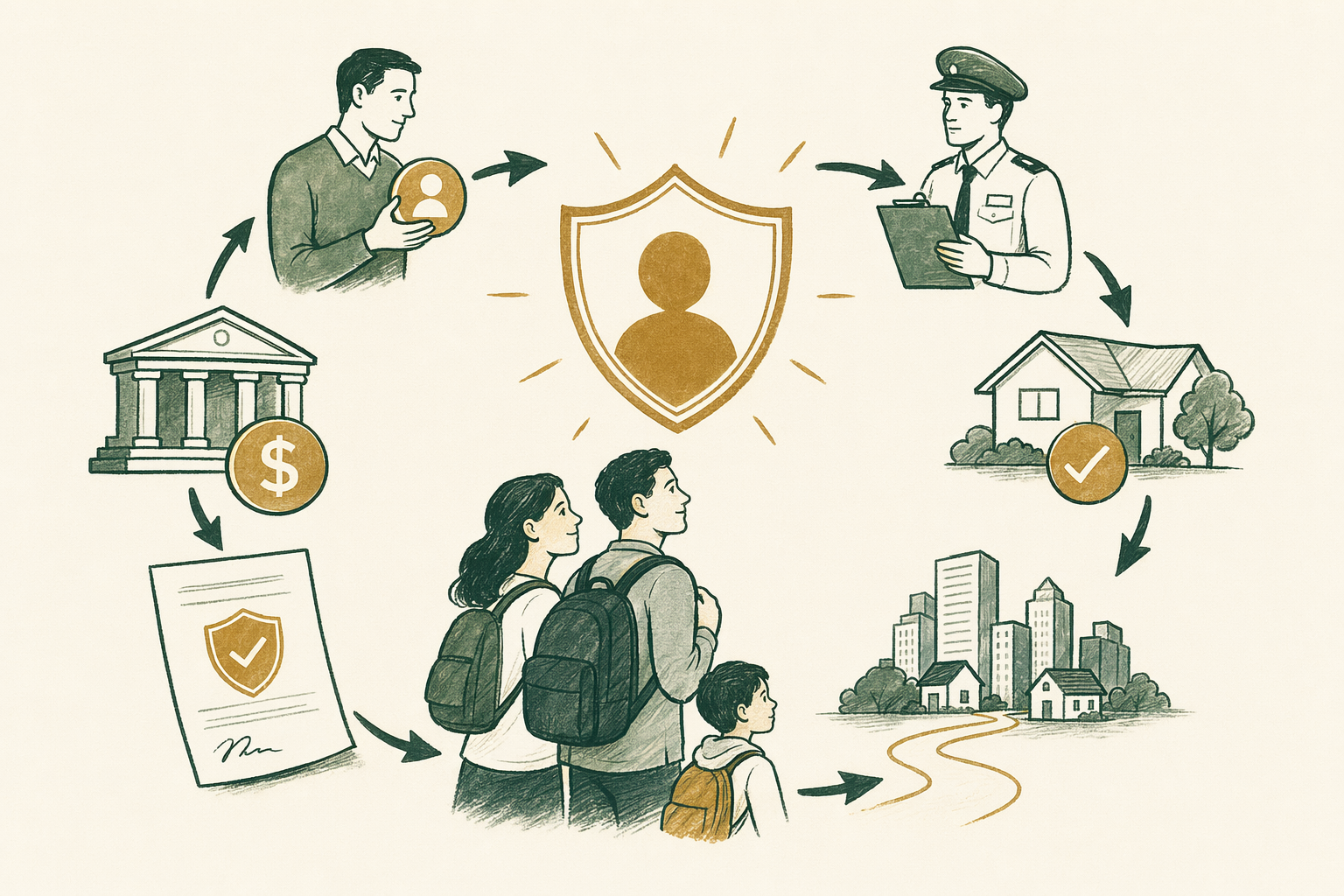
What an immigration bond is
An immigration bond is money paid to the government to ask for a person to be released from immigration detention while their case is still pending. Detention means being held by immigration authorities and not free to leave. A case is pending when it is still open and not decided yet.
A bond is not the same as winning an immigration case. It also is not a punishment. It is a promise, backed by money, that the person will follow the rules, especially by going to all immigration court hearings and check-ins.
In many cases, the bond is handled by ICE, which means U.S. Immigration and Customs Enforcement, or by an immigration judge. If the person follows the rules and the case requirements, the money may be returned at the end. If the rules are broken, the bond money could be lost.
Who may be able to get a bond
Not everyone in immigration detention can get a bond. Some people may be released on bond, some may be released under other supervision, and some may not be eligible at all. Eligibility often depends on the person's immigration history, criminal history, and the type of case.
Immigration officers or judges often look at two big questions. First, is the person a flight risk, which means someone they think may not come back for court. Second, is the person a danger to the community, which means they believe the person could seriously harm others or public safety.
Some people are subject to mandatory detention. This means the law may require detention and may not allow bond in that situation. Because this area is very fact-specific, it is important to speak with a licensed immigration attorney about your exact case. You can also learn more about immigration help or use the free lawyer matching service if you want to talk with someone.
How the bond process often works
- ICE may first decide whether to set a bond amount. If ICE sets a bond, they choose the amount they believe is needed to secure release.
- If ICE refuses bond, or sets an amount that seems too high, the person may ask for a bond hearing before an immigration judge. A bond hearing is a court hearing focused on whether release should be allowed and at what amount.
- At the hearing, the judge may review documents that show ties to the community, such as family support, a home address, work history, school records, or letters from community members.
- The judge may decide to deny bond, keep the same amount, lower it, or raise it. Results depend on the facts and the law.
- If bond is granted and someone pays it correctly, the detained person may be released. Release can still take time, even after payment is accepted.
- After release, the person must follow all court dates, ICE check-ins, and any other conditions. Missing a hearing can cause serious problems for both the case and the bond money.
Documents and information that may help at a bond hearing
- Proof of identity, if available
- A safe address where the person will live after release
- Names and contact information for close family members in the United States
- Letters of support from family, faith leaders, employers, teachers, or community members
- Records showing how long the person has lived in the community
- Proof of work history or school attendance, if available
- Medical or caregiving information only if directly relevant to release and handled carefully
- Certified court records for any arrests or convictions, because missing records can hurt credibility
- Proof that the person will attend future hearings, such as a clear transportation and housing plan
Be careful with bond companies and non-lawyers
Paying the bond and getting money back
If a bond is approved, the full amount usually must be paid to the government before release. In many cases, the person who pays is a family member or friend. That person is often called the obligor, which means the person financially responsible for the bond.
The payment process has strict rules. The government may require a specific form of payment and identification from the person paying. Procedures can change, and local offices may have their own steps. Families often save time and stress by checking the current rules before traveling to make a payment.
Later, the bond may be canceled and refunded if all bond conditions were met. A refund means the money is returned. This usually happens after the immigration case is finished and after the government confirms the person followed the bond terms. The process can take time.
If the person misses court or breaks a bond condition, the bond may be breached, which means broken under the rules. If that happens, the government may keep the bond money. This is one reason families often want legal guidance before paying a large amount.
Common worries about cost, language, and getting real help
Many families worry they cannot afford help. The cost of a lawyer for bond work varies by state and your situation. Some attorneys offer a low-cost or free first consultation. Others charge a flat fee for preparing for a bond hearing, attending the hearing, or handling related detention issues. It is okay to ask for the fee in writing and what services are included.
Language access matters too. If English is hard for you, ask whether the lawyer's office has staff who speak your language or can arrange an interpreter. An interpreter is a person who translates spoken words between languages. Clear communication can help avoid mistakes in urgent cases.
It is also smart to ask whether the person helping you is a licensed attorney or an accredited representative allowed to handle certain immigration matters. A licensed attorney is a lawyer approved by a state bar to practice law. Notarios and immigration consultants may not be authorized to give legal advice, even if they sound confident.
Legal Bearings is not a law firm and does not give legal advice. It offers free educational information and a free way to get matched with a participating licensed attorney. Legal Bearings is paid a flat fee by participating attorneys, at no extra cost to you. If you want help finding someone, you can start here: get matched.
Common questions
Can everyone in immigration detention ask for a bond?
No. Some people may qualify, but others may be in mandatory detention and may not be legally eligible for bond. Eligibility depends on the facts of the case, the person's history, and current law. A licensed immigration attorney can review your situation.
Does paying a bond mean the person will win the immigration case?
No. A bond only relates to release from detention while the case is pending. It does not decide whether the person will be allowed to stay in the United States.
How much is an immigration bond?
Bond amounts vary widely by case. The amount depends on the facts, the person's history, and whether ICE or a judge believes a higher amount is needed. Legal fees for help with a bond also vary by state and your situation, so ask for a written fee explanation.
What happens if someone misses immigration court after release on bond?
Missing court can lead to very serious consequences. The bond money may be lost, and the immigration case could become much harder. If a court date was missed, speak with a licensed attorney as soon as possible.
Can Legal Bearings give me legal advice about my bond case?
No. Legal Bearings is not a law firm and does not give legal advice. It provides general education and a free service to match you with a participating licensed attorney who may be able to help with your specific case.
In plain English: An immigration bond may help someone get out of detention while their case continues, but the rules are strict, so it is wise to get case-specific advice from a licensed immigration attorney.