Were You Wrongfully Fired? What to Know
Losing a job can feel scary, especially if you think it was unfair or illegal. This guide explains common warning signs, basic deadlines, and how to get general help in plain language.
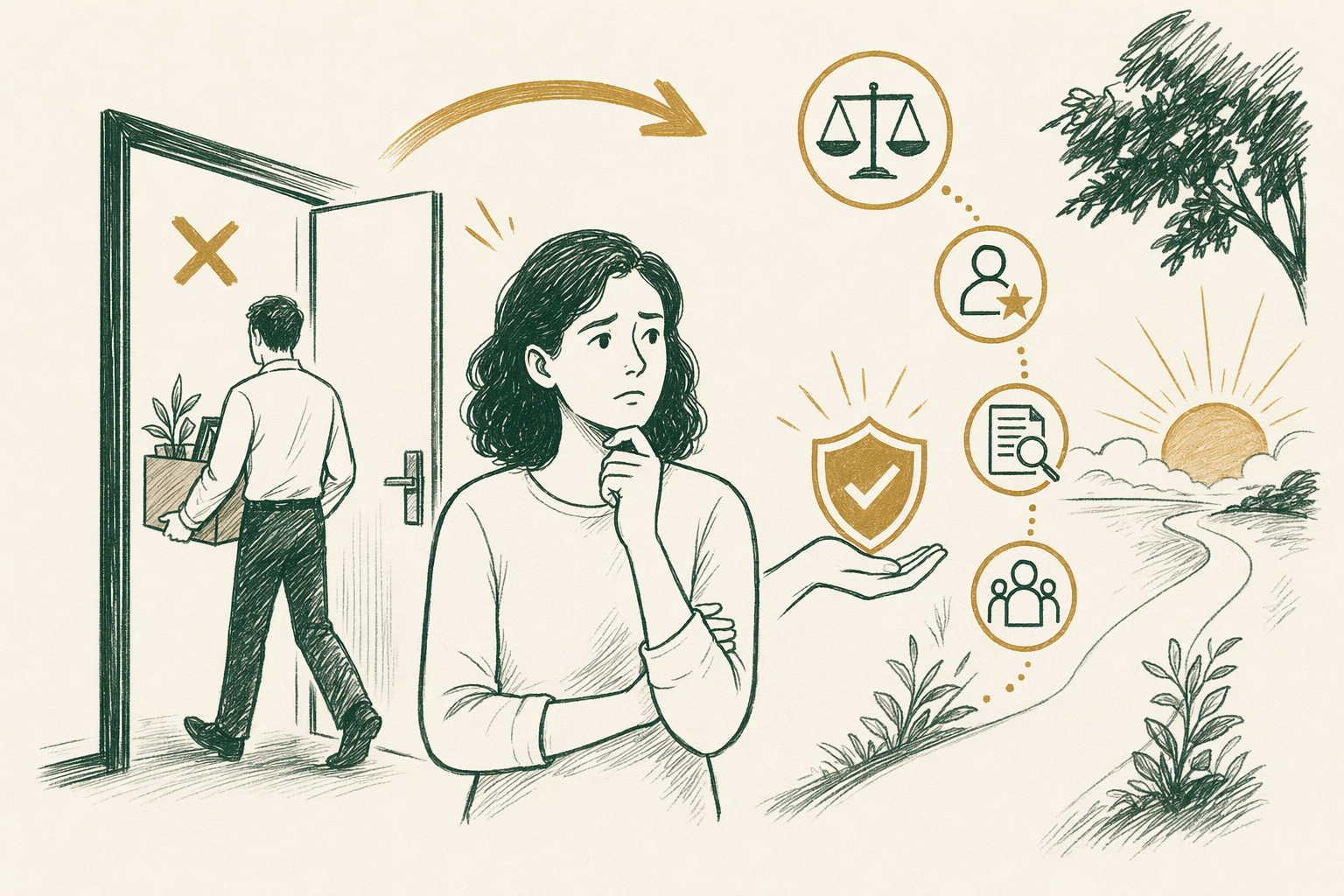
What “wrongful termination” means
Wrongful termination means a firing that may break a law, an employment contract, or a clear workplace rule. Termination is a legal word for being fired. Not every unfair firing is illegal, but some are.
In most states, jobs are “at will.” At will means an employer can usually fire a worker at any time, for almost any reason, or for no stated reason. But there are important limits. An employer usually cannot fire someone for a reason that the law protects against.
For example, a firing may be illegal if it happened because of your race, national origin, religion, sex, pregnancy, disability, age, or another protected trait under state or federal law. It also may be illegal if you were fired for reporting harassment, asking for unpaid wages, taking protected leave, serving on a jury, or refusing to do something illegal.
If English is not your first language, it is easy to miss key details in papers from your employer. Save everything you received, including emails, text messages, write-ups, schedules, and your final paycheck records. Those papers may help a licensed attorney review what happened.
Signs your firing may have broken the law
- Your boss made comments about your accent, nationality, religion, pregnancy, age, disability, or another protected trait before firing you.
- You reported discrimination, harassment, unsafe conditions, wage theft, or illegal conduct, and were fired soon after. Retaliation means punishment for speaking up about protected issues.
- You asked for a reasonable accommodation for a disability or for religious practice, and then lost your job.
- You took or asked for protected leave, such as medical leave, family leave, military leave, or other leave protected by law, and were fired.
- Your employer fired you after you joined with co-workers to discuss pay or work conditions. Some group workplace activity is protected by labor law.
- You had an employment contract, union agreement, or written policy that limited when the employer could fire you, and the employer may have ignored it.
- The employer gave a false reason for firing you, and the real reason may have been illegal discrimination or retaliation.
- You were treated much worse than other workers who did the same thing, and the difference may be tied to a protected trait or protected activity.
What to do right away
Start by writing down a timeline. Include your hire date, job title, pay rate, names of managers, important complaints you made, and the date you were fired. Add exact words if you remember them. Small details can matter.
Gather documents. Keep your offer letter, handbook, contract, performance reviews, pay stubs, time records, discipline notices, and messages with supervisors. If your workplace used an app for schedules or chat, save screenshots if you can do so legally and safely.
Try not to sign anything in a rush. Some employers offer severance, which is money paid after a job ends, in exchange for signing a release. A release is a document where you give up legal claims. You may want a licensed attorney to review it before you sign.
Apply for unemployment benefits if you may qualify. Unemployment is temporary money for workers who lost a job through no fault of their own. Being fired does not always disqualify you. Rules vary by state and your situation.
If you are worried about immigration status, speak with a licensed attorney about your specific facts. Many workers have rights under labor and anti-discrimination laws no matter where they were born. A lawyer can help you understand what applies to you.
Basic steps to protect yourself
- Write a timeline of what happened, with dates, names, and exact words when possible.
- Save records, including texts, emails, pay stubs, reviews, handbooks, and termination papers.
- Do not delete messages or throw away notes, even if they seem minor.
- Avoid posting details on social media. Public posts can be misunderstood and used against you.
- Ask for copies of any papers you are told to sign, and take time to read them.
- Apply for unemployment benefits quickly if you may qualify. Deadlines can be short.
- Talk with a licensed employment attorney as soon as you can, because filing deadlines may come fast.
- If you want general help finding a lawyer, you can use get matched for free through Legal Bearings. Legal Bearings is not a law firm and does not give legal advice.
Deadlines matter more than many people think
Many wrongful firing claims have short time limits. A deadline is the last day you can file a complaint or start a legal claim. Some claims must first be filed with a government agency before a lawsuit can begin.
For example, discrimination and retaliation claims often go through the Equal Employment Opportunity Commission, called the EEOC, or a similar state agency first. Wage and hour claims may go through a labor department. Union workers may have extra rules under a collective bargaining agreement, which is a contract between a union and an employer.
The right deadline depends on the state, the kind of claim, and where you worked. Missing a deadline can seriously limit your options. Because of that, it is wise to speak with a licensed attorney quickly, even if you are still deciding what to do.
If you want to learn more about attorney matching before you decide, see how it works or read more about employment law help.
Be careful with severance papers
What a lawyer may help you look at
A licensed employment attorney may review whether the firing involved discrimination, retaliation, unpaid wages, broken contract terms, leave rights, or whistleblower protections. A whistleblower is a worker who reports suspected illegal conduct. The lawyer may also check whether your employer followed its own policies.
The lawyer may ask about timing, witness names, and records that support your story. They may also look at whether your employer treated other workers differently in similar situations. This helps them see what claims may exist and what next steps could make sense.
Costs can vary. Some employment lawyers charge for a consultation, and some do not. Some may charge hourly, while others may use another fee arrangement, depending on the type of case. Fees and options vary by state and your situation. Ask for the fee terms in writing before you agree to anything.
If cost or language is a worry, say that early. Some lawyers offer interpreters or have multilingual staff. Legal Bearings offers a free way to connect with participating attorneys. It is a matching and marketing service, not a law firm, and it is paid a flat fee by participating attorneys, not by you.
Common questions
If my boss fired me for no reason, is that wrongful termination?
Maybe, but not always. In many states, at-will employment means an employer can fire someone without giving a reason. The firing may still be illegal if the real reason was discrimination, retaliation, contract violation, or another protected reason.
Can I still have rights if I am an immigrant or my English is limited?
Often, yes. Many workplace laws protect workers regardless of where they were born. Your exact rights depend on the law, your job, and your situation, so it is important to get advice from a licensed attorney.
Do I need proof before I talk to a lawyer?
No. It helps to bring any records you have, but you do not need a perfect case file before speaking with a lawyer. A lawyer can help you understand what documents and facts may matter most.
How much does it cost to talk to an employment lawyer?
It depends. Some lawyers offer free consultations, while others charge a fee. Costs and fee types vary by state and your situation. Ask about consultation fees, hourly rates, and any other charges before you agree.
How can Legal Bearings help me?
Legal Bearings can help you find a participating lawyer for your issue through a free matching service. Legal Bearings is not a law firm and does not give legal advice. It is paid a flat fee by participating attorneys.
In plain English: If you think you were fired for an illegal reason, save your records, act quickly, and consider using Legal Bearings’ free lawyer matching service to find a licensed attorney.