Asylum in the U.S.: The Basics
If you are afraid to return to your home country, asylum may be one option to ask for protection in the United States. This guide explains the basics in plain language, and how to find a licensed lawyer if you want help.
What asylum means
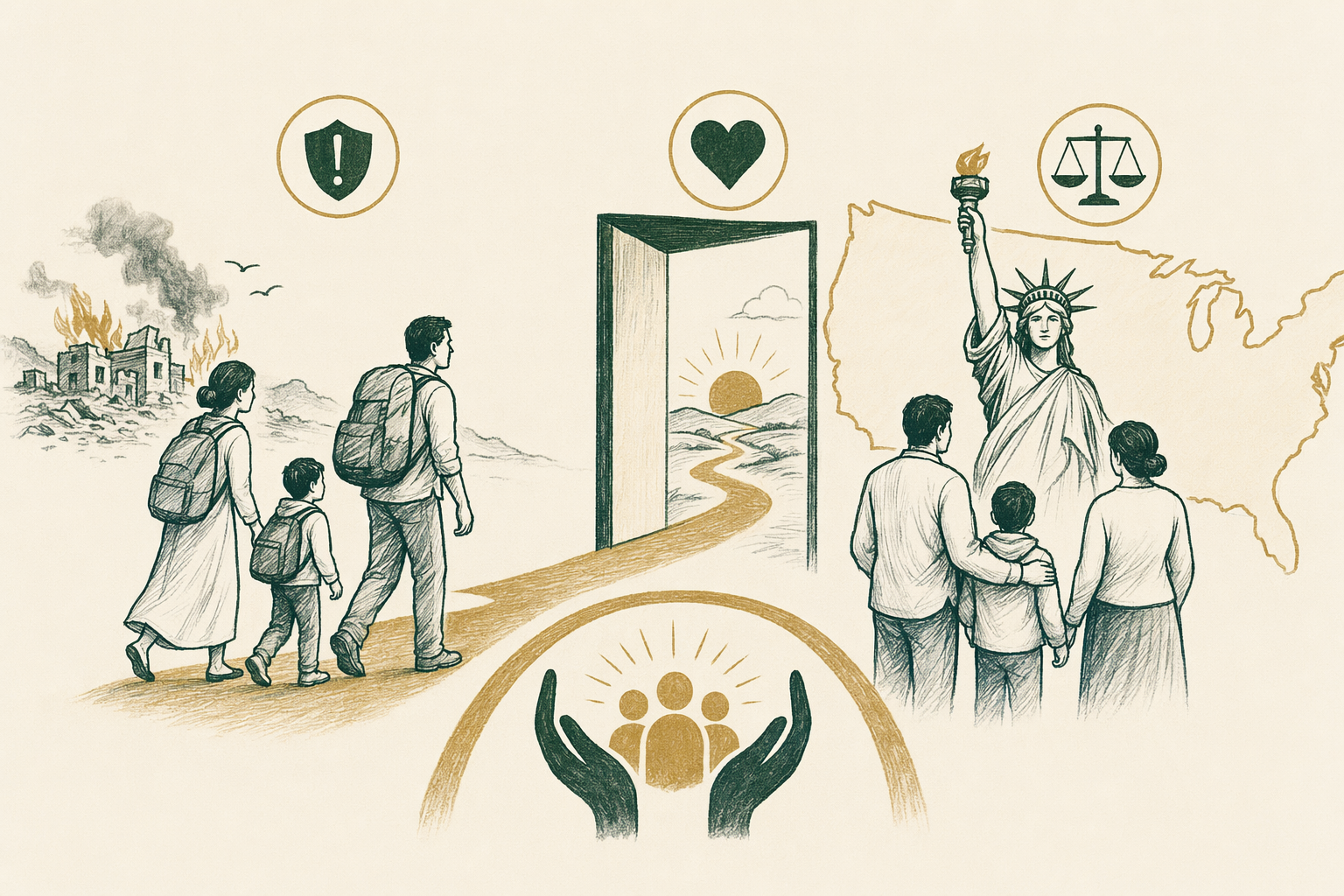
Asylum is a form of protection for people who cannot safely return to their home country because they fear serious harm. In simple terms, you ask the U.S. government to let you stay here because going back may put you in danger.
A person may ask for asylum if the harm is connected to race, religion, nationality, political opinion, or membership in a particular social group. A particular social group is a legal term. It means a group of people who share an important trait or experience. The exact rules can be hard to apply, so many people choose to speak with a licensed immigration lawyer.
Asylum is different from a visa or a green card. A visa is permission to enter the country for a certain reason. A green card means lawful permanent residence, which lets a person live and work in the U.S. long term. Asylum can sometimes lead to a green card later, but it is its own process.
Who may qualify
In general, a person may qualify if they are in the United States and are afraid to return to their home country because of persecution. Persecution means serious harm, threats, or mistreatment. It is more than unfair treatment or general hardship.
Not every dangerous situation fits the asylum rules. For example, poverty alone usually does not qualify. General violence in a country may not be enough by itself either, unless you can show why you were targeted or why you would likely be targeted for a protected reason.
There are also bars, which are rules that can block asylum in some cases. Some criminal convictions, prior immigration history, firm resettlement in another country, or missing a deadline may affect eligibility. Because these details matter, it is smart to get advice about your own facts from a licensed attorney.
Main ways people apply
- Affirmative asylum, this means you file an asylum application with U.S. Citizenship and Immigration Services, often called USCIS, while you are not in removal proceedings. Removal proceedings are immigration court cases about whether a person can stay in the U.S.
- Defensive asylum, this means you ask for asylum as a defense in immigration court after the government starts removal proceedings against you.
- Asylum at or near the border can involve extra screening steps. Some people go through a credible fear interview first. A credible fear interview is an initial screening to see if there is a significant possibility that the person could qualify for asylum or related protection.
- Rules and procedures can change. The path that applies to you depends on where you are, how you entered the U.S., and what has already happened in your case.
Important deadlines and evidence
Many people must file for asylum within one year of their last arrival in the United States. This is often called the one-year filing deadline. There are limited exceptions, but they are not available in every case. If you are close to that deadline, it may help to speak with a lawyer as soon as possible.
Evidence is the information you use to support your claim. This may include your written statement, police reports, medical records, court papers, news articles, country condition reports, photos, messages, or witness letters. Country condition reports are documents that describe human rights problems and safety conditions in a country.
You do not always need every type of document to apply. Many people do not have perfect records. Still, details matter. Dates, places, names, and your reason for fearing return should be as clear and consistent as possible. If you need language help, ask about interpreters and translated documents.
What asylum may provide
- Permission to stay in the United States if asylum is granted
- The ability to apply for a work permit, also called employment authorization, after meeting the rules and timing requirements
- A chance to request asylum for certain close family members in some situations
- A path to apply for a green card later if you continue to qualify
- Protection from being sent back to a country where you may face persecution
Common concerns, cost, language, and safety
Many people worry that asking for asylum will be too expensive or too confusing. Lawyer fees for immigration cases often vary by state and your situation. Some lawyers offer payment plans. Some nonprofit groups may offer free or low-cost help. It is okay to ask for the fee range in writing before you agree to anything.
Language access matters. If English is not your first language, ask whether the office has an interpreter or translated forms. You can also ask the lawyer to explain each step in simple words. A good lawyer should tell you what they can do, what they cannot promise, and what documents you should try to gather.
Be careful with notarios or immigration consultants who act like lawyers when they are not licensed attorneys. In the U.S., a notary public is usually not an immigration lawyer. Someone who is not licensed may make serious mistakes in your case.
Legal Bearings is not a law firm and does not give legal advice. We provide general education and a free way to get matched with a participating licensed attorney. You can also learn more about immigration services.
Act quickly if you fear return
Common questions
Can I apply for asylum if I entered the U.S. without permission?
Some people still may apply for asylum even if they entered without inspection, which means without formal permission at a port of entry. The process may be different, and other rules may apply. A licensed immigration attorney can review your situation.
How long do asylum cases take?
It varies a lot. Some cases move in months, and others take much longer. Timing depends on the agency, the court, your location, and the facts of your case. No one can honestly promise a quick result.
Can I work while my asylum case is pending?
Maybe. Some applicants may apply for a work permit after meeting certain timing and filing rules. The exact wait time and eligibility rules can change, so check current guidance or ask a licensed attorney.
What if I missed the one-year deadline?
Missing the deadline can make asylum harder, but some people may still qualify for an exception or for other forms of protection. This is very fact-specific, so legal advice is important.
How can I find a trustworthy lawyer?
Look for a licensed immigration attorney, ask about experience with asylum cases, and request the fee range in writing. If you want, Legal Bearings offers a free way to get matched with a participating attorney. Legal Bearings is not a law firm and does not give legal advice.
In plain English: If you are scared to go back to your country, asylum may be possible, and a licensed immigration lawyer can help you understand whether it fits your situation.