Housing Discrimination: How to Recognize It
Housing discrimination means being treated unfairly when you rent, buy, or try to keep a home because of who you are. This guide explains common warning signs, what proof may help, and how to get general help, including a free way to get matched with a licensed lawyer.
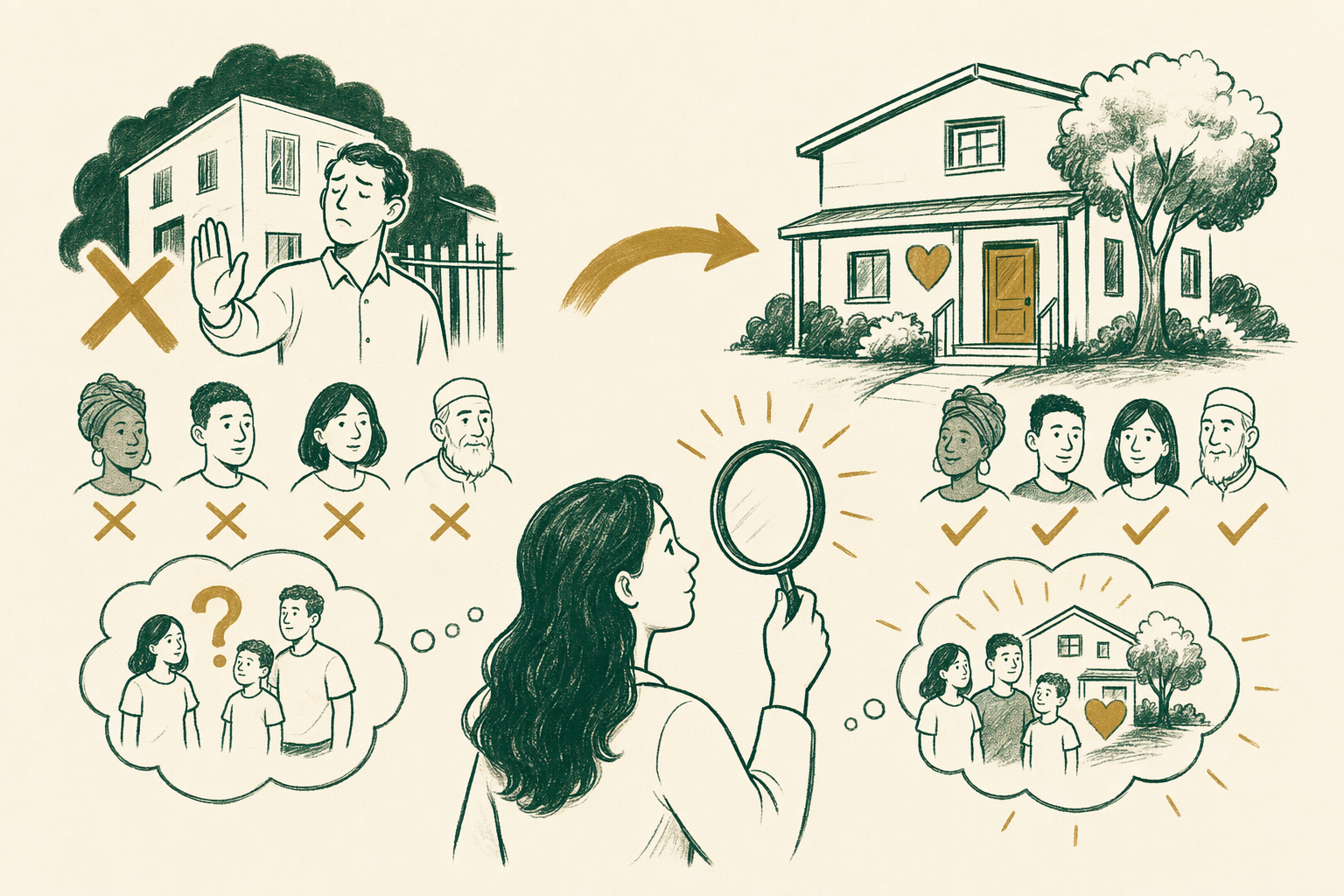
What housing discrimination means
Housing discrimination is unfair treatment in housing because of a protected trait. A protected trait is a personal characteristic that the law says cannot be used against you in many housing decisions. In the United States, federal law often protects people based on race, color, national origin, religion, sex, disability, and family status. Family status usually means having children under 18, being pregnant, or seeking custody of a child.
This can happen when you apply to rent an apartment, buy a home, get a mortgage, ask for repairs, or try to stay in your housing. It can also happen after you move in. For example, a landlord may ignore your repair requests but respond quickly to other tenants.
Some states and cities protect more traits, such as sexual orientation, gender identity, age, source of income, or immigration status. The rules vary by state and your situation. If you are not sure what applies where you live, a licensed attorney can give advice about your specific case.
Common signs to watch for
- A landlord says a unit is gone, but later tells someone else it is still available.
- You are offered worse terms, such as a higher deposit, higher rent, or stricter rules, for reasons that seem tied to your race, religion, accent, disability, or another protected trait.
- The landlord, seller, or agent asks where you are "really from" and then discourages you from applying.
- You are told that families with children can only live in one part of a building, or that children are not welcome in a place that should allow families.
- A housing provider refuses to make a reasonable accommodation. A reasonable accommodation is a change to a rule or practice that may be needed so a person with a disability can use and enjoy housing.
- A housing provider refuses a reasonable modification. A reasonable modification is a physical change, like a grab bar or ramp, that may be needed because of a disability.
- You see ads that say things like "adults only," "no kids," "Christians only," or other words that suggest people from certain groups should not apply.
- You are harassed by a landlord, manager, neighbor, or maintenance worker because of a protected trait, and management does not take proper steps to address it.
- You are treated badly after making a complaint about discrimination. This is called retaliation, which means punishment for speaking up about your rights.
Examples that may help you recognize it
Imagine two renters ask about the same apartment. One speaks with no accent and is invited to apply. The other has a strong accent and is told the place was just rented. If the apartment stays listed, that could be a warning sign.
Or think about a family with children. A manager says, "We only rent first-floor units to families," even though other units are open. That may be illegal steering. Steering means pushing people to certain buildings, floors, or neighborhoods because of who they are.
Here is another example. A tenant who uses a wheelchair asks for a reserved parking spot near the entrance. The landlord refuses without discussing it, even though other spots can be assigned. That may raise disability discrimination concerns.
Not every unfair or rude action is illegal discrimination. Sometimes a landlord is simply disorganized or has a neutral rule that applies to everyone. What matters is whether the different treatment is connected to a protected trait. A lawyer can help sort that out.
What to do if you think it happened
- Write down what happened as soon as you can. Include dates, times, names, addresses, phone numbers, and exactly what was said or written.
- Save documents. Keep texts, emails, letters, applications, ads, voicemails, rent receipts, notices, photos, and screenshots of listings.
- Compare treatment if possible. If another person was told something different about the same unit or rule, note that carefully.
- Ask for communication in writing when you can. Written messages are often easier to use later than a phone call memory.
- If the issue involves a disability accommodation or modification, make the request clearly and keep a copy.
- Consider filing a complaint with the U.S. Department of Housing and Urban Development, often called HUD, or with your state or local fair housing agency. A complaint is a formal report asking an agency to review what happened.
- Talk with a licensed attorney before deadlines pass. Housing claims may have time limits, and those limits vary by state and your situation.
- If you want help finding a lawyer, you can use our free get matched service or learn more about housing-related legal help.
Be careful with threats or pressure
What kind of proof may help
Proof does not have to be perfect. Small details can matter. A text message, an ad, a voice mail, or notes written on the same day may help show a pattern.
Useful proof may include the rental listing, your application, denial letters, fee requests, lease terms, inspection reports, repair requests, witness names, and photos. If you were told different things on different days, write both versions down. If someone used harmful words about your nationality, religion, disability, or children, record the exact words if you can remember them.
Sometimes people use a tester to compare how applicants are treated. A tester is a person who asks about housing to see if different groups get different answers. Fair housing groups sometimes do this. Do not secretly record conversations unless you know your state's recording rules. Those rules vary by state and your situation.
Keep your records in one place. You can use a notebook, a phone folder, or email copies to yourself. Good records may help an agency or attorney understand your situation faster.
Cost, language help, and getting support
Many people worry that asking for help will cost too much. The first step is often less expensive than people think. Some housing lawyers offer a free first conversation, and some charge a consultation fee. Costs vary by state and your situation.
You may also be able to get help in your language. Ask whether an office can provide an interpreter. An interpreter is a person who translates spoken language. You can also ask for translated written information if available. It is okay to ask a lawyer how they charge, what services are included, and whether they have handled housing discrimination matters before.
Legal Bearings is not a law firm and does not give legal advice. We provide general education and a free way to connect with participating attorneys who may help. Legal Bearings is paid a flat fee by participating attorneys, not a percentage of legal fees or any settlement. If you want to see how the service works, visit how matching works or get matched.
If you are in immediate danger of eviction, lockout, or homelessness, act quickly. A lockout means being kept out of your home without legal process, such as when locks are changed. Contact a local housing agency, legal aid office, or a licensed attorney as soon as you can.
Common questions
Is it housing discrimination if a landlord asks for income proof?
Maybe not. Many landlords can ask for proof that you can pay rent if they ask all applicants the same way. It may become a problem if the rule is applied differently because of a protected trait, or if local law protects your source of income and the landlord refuses it for that reason.
Can a landlord refuse to rent to me because I have children?
Often no. Family status is protected under federal law in many housing situations. There are limited exceptions, such as some housing for older persons. The facts matter, and state or local law may give more protection.
What if I am treated badly because of my accent or where I am from?
That may relate to national origin discrimination. National origin means the country you are from, your ancestry, ethnicity, or language traits connected to that background. Save what was said or written and consider speaking with a licensed attorney.
Do I need a lawyer before filing a housing complaint?
Not always. You can often file a complaint with HUD or a local agency on your own. Still, a licensed attorney may help you understand deadlines, evidence, and which option fits your situation best.
How much does it cost to use Legal Bearings to get matched with a lawyer?
It is free for you to use Legal Bearings to get matched. Legal Bearings is not a law firm and does not give legal advice. It is paid a flat fee by participating attorneys. Any lawyer's own fees for advice or representation will vary by state and your situation.
In plain English: If housing rules or treatment seem different because of who you are, write everything down and get legal advice quickly, and you can use our free matching service to find a licensed lawyer.