Workplace Discrimination: Know the Signs
If work feels unfair because of who you are, you are not alone. This guide explains common signs of workplace discrimination and simple next steps you may be able to take.
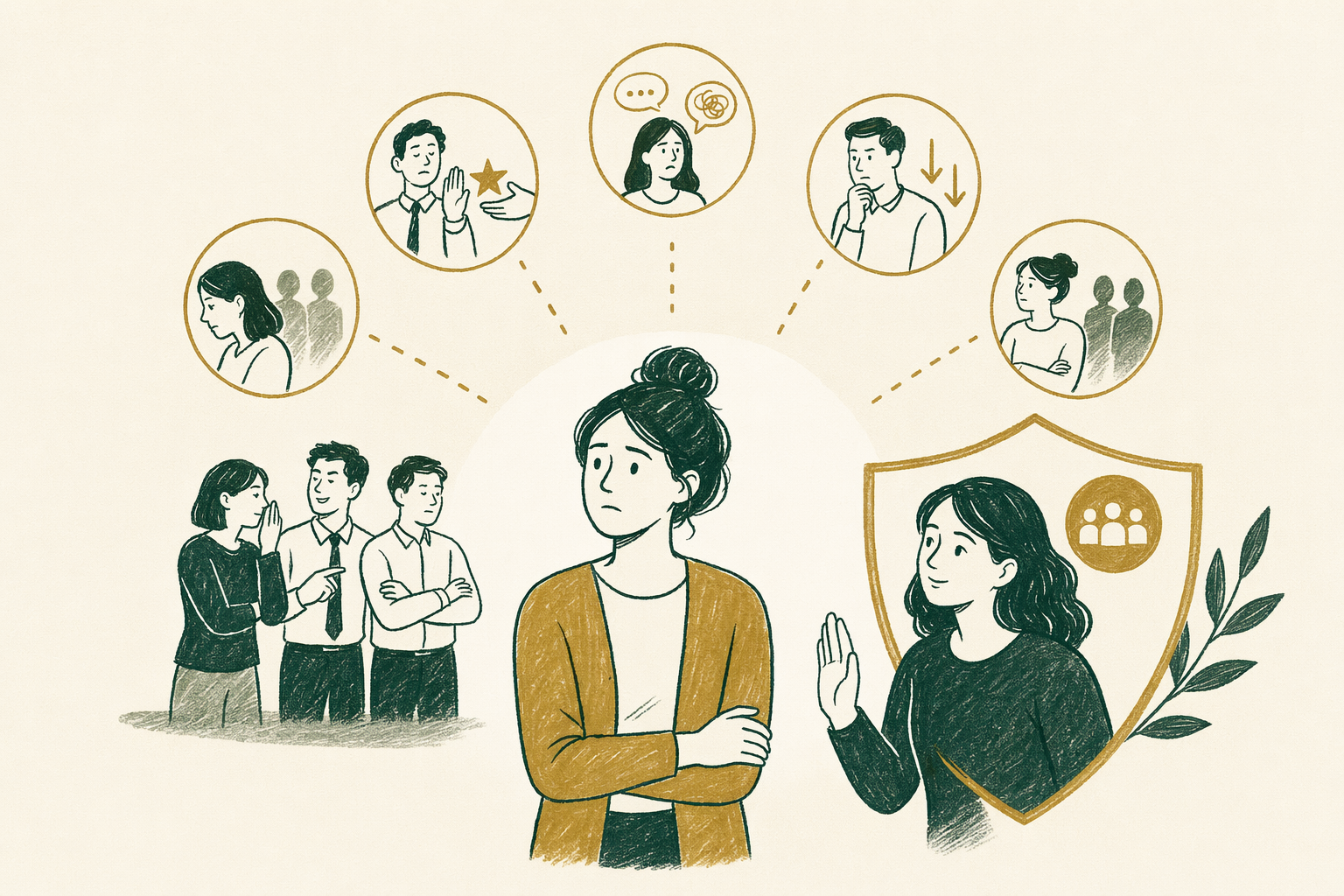
What workplace discrimination means
Workplace discrimination means an employer treats a worker unfairly because of a protected trait. A protected trait is something the law may protect, such as race, color, national origin, religion, sex, pregnancy, age, disability, or genetic information. In some places, the law may also protect sexual orientation, gender identity, marital status, or other traits.
Discrimination can happen when you apply for a job, after you are hired, or when you leave a job. It may affect pay, hours, training, promotion, discipline, job assignments, or firing. It can happen in an office, restaurant, factory, farm, store, hospital, or construction site.
Not every unfair act is illegal discrimination. A boss can be rude or make bad decisions without breaking discrimination laws. The key question is whether you were treated worse because of a protected trait. A licensed attorney can give advice about your specific situation.
Common signs to watch for
- You are paid less than coworkers who do similar work, and the difference seems tied to race, sex, national origin, age, or another protected trait.
- You are passed over for promotion, training, or better shifts, while less qualified workers outside your group move ahead.
- A manager or coworker makes insults, jokes, or comments about your accent, religion, skin color, pregnancy, age, disability, or where you come from.
- Your employer refuses a reasonable accommodation. A reasonable accommodation is a change at work that may help a worker with a disability or religious need do the job, such as a schedule change or equipment change.
- You are punished more harshly than others for the same mistake, or you are closely watched when others are not.
- You are fired, demoted, or have your hours cut soon after telling the company about discrimination or helping with an investigation. This may be retaliation, which means punishment for speaking up about rights.
- The employer has a rule that looks neutral, but it harms one group more than others and may not be necessary for the job.
- You are told customers or coworkers would be more comfortable if you looked, sounded, or worshiped differently.
Examples that may matter
A worker with a strong accent is told not to speak to customers, even though customers can understand them and workers with similar job skills are allowed to do that part of the job. A pregnant worker is forced onto unpaid leave even though they can still do the work. An older worker is suddenly called too slow after years of good reviews, and younger workers are kept.
Another example is harassment. Harassment is repeated or serious conduct that creates a hostile work environment. A hostile work environment means the workplace becomes intimidating, offensive, or abusive because of protected-trait comments or behavior. One rude comment may not be enough by itself, but repeated slurs, threats, touching, or humiliation may be.
There can also be language-related issues. Some employers may have English-only rules in limited situations, but not every language rule is lawful. If a rule targets workers because of national origin or is enforced unfairly, it could be a problem. You can read more about employment help at employment services.
What you can do right now
- Write down what happened. Include dates, times, places, names, what was said, and who saw it.
- Save proof. Keep emails, texts, schedules, write-ups, pay stubs, performance reviews, and copies of complaints if you can do so safely.
- Compare treatment. Note how coworkers in similar jobs were treated in the same situation.
- Check your employer's policy. Many workplaces have a handbook or complaint process through human resources, also called HR.
- Make a complaint in writing if it feels safe. Keep your message short, factual, and polite. Ask for a copy or save a screenshot.
- Do not change or take private company files you are not allowed to keep. Gather only what you already lawfully have access to.
- Watch deadlines. Some discrimination claims have short time limits, and they vary by state and your situation.
- Talk to a licensed attorney if you can. Legal advice means advice about your own facts and rights. Legal Bearings is not a law firm and does not give legal advice, but you can use the free get matched service to connect with a participating attorney.
Be careful about deadlines
What if you are worried about immigration status, language, or cost?
Many workers stay silent because they are afraid. You may worry about losing your job, being reported, not speaking English well, or not being able to pay a lawyer. These fears are common. They are also why it helps to get clear information early.
Some employment lawyers offer a first consultation, which means a first meeting or call to discuss the problem, at no cost or a low cost. Fees for ongoing help vary by state and your situation. Ask simple questions. Do you handle workplace discrimination cases? What documents should I bring? Will you explain things in my language or work with an interpreter?
You also deserve to know how Legal Bearings works. Legal Bearings is a free matching and marketing service, not a law firm. We help connect people with participating licensed attorneys, and we are paid a flat fee by those attorneys. We do not take a percentage of legal fees or any settlement. Using the matching service is free for you.
If you want help finding someone to talk to, you can start with how matching works or go to get matched. A licensed attorney can explain whether the facts you describe may fit a legal claim in your state.
Common questions
Is it discrimination if my boss is just unfair?
Maybe not. General unfairness is not always illegal. It may become a legal issue if the unfair treatment is tied to a protected trait, such as race, national origin, sex, religion, age, disability, or another trait protected by law where you live.
Can discrimination happen during hiring, not just after I start work?
Yes. It may happen in job ads, interviews, background checks, pay offers, or hiring decisions. For example, an employer may not lawfully reject someone because of a protected trait.
What is retaliation?
Retaliation means punishment for speaking up about possible discrimination, asking for an accommodation, reporting harassment, or helping with an investigation. It may include firing, demotion, schedule cuts, threats, or other negative actions.
Do I need proof before I talk to a lawyer?
No. It helps to bring notes, messages, pay records, or names of witnesses, but you do not need a perfect case file before you ask questions. A licensed attorney can help you understand what information may matter.
Can Legal Bearings give me legal advice?
No. Legal Bearings is not a law firm and does not give legal advice. It offers general education and a free way to get matched with a participating licensed attorney who may be able to advise you about your specific situation.
In plain English: If you think work is treating you worse because of who you are, write down what happened, save proof, and consider using the free matching service to speak with a licensed attorney.