Your Rights When a Rental Is Unsafe
If your rental home has serious problems, you may have rights under state and local housing laws. This guide explains common unsafe conditions, basic steps people often take, and how to find a licensed lawyer if you want legal advice.
What counts as an unsafe rental
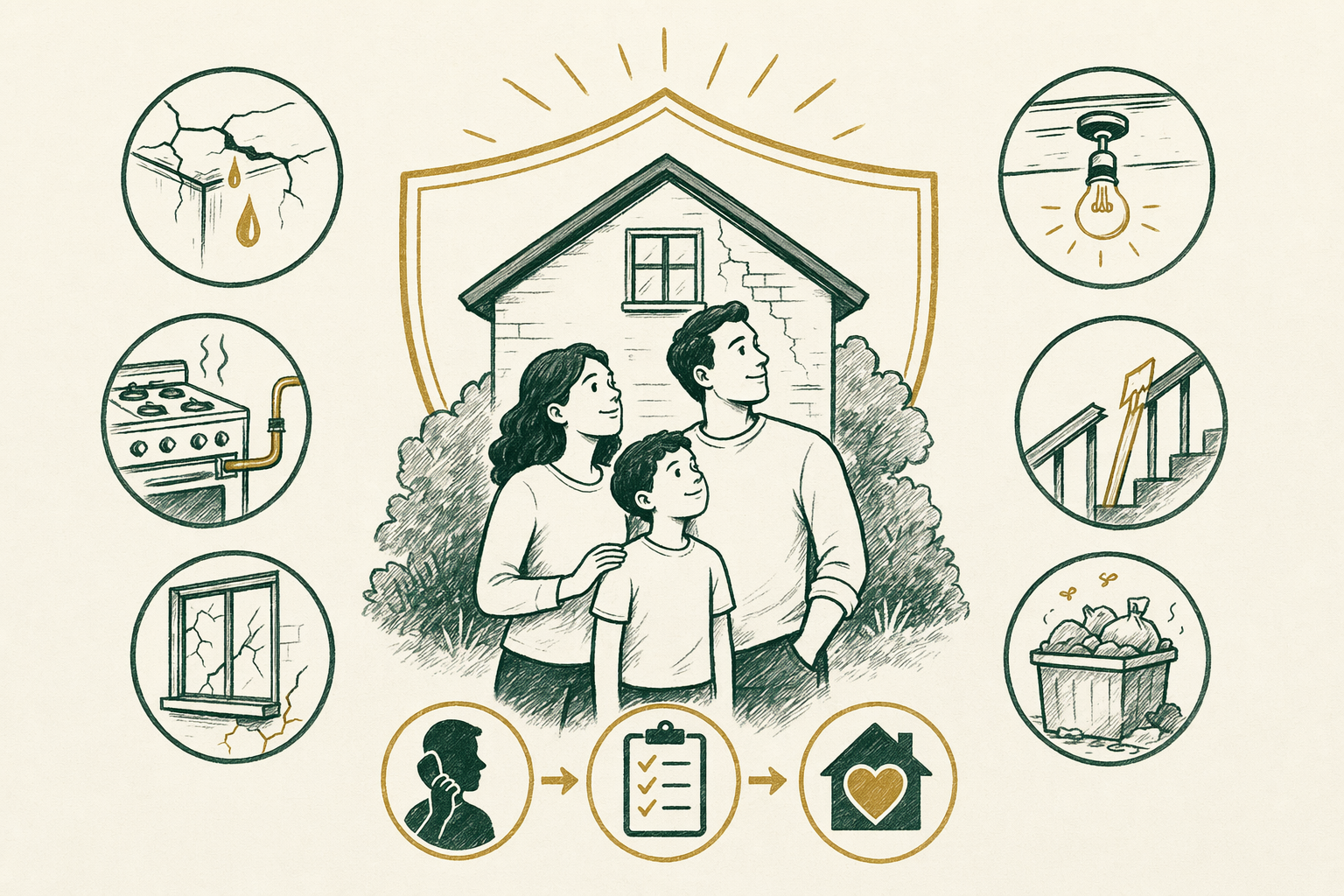
A rental may be unsafe when it has conditions that can seriously harm your health or safety. Common examples include no heat in cold weather, unsafe electrical wiring, broken locks, major leaks, mold, pests, sewage problems, no hot water, or stairs and floors that are dangerous to use.
Many states use a rule called the warranty of habitability. This means a landlord, the owner or manager who rents out the home, usually must keep the place fit to live in. The exact rules vary by state and city. Small problems, like chipped paint or a loose cabinet door, may not qualify. But problems that affect basic living conditions often do.
If the danger is immediate, like a gas leak, fire risk, carbon monoxide, or a ceiling that may collapse, call 911 or your local emergency number first. Your safety comes before paperwork.
Problems that often count as serious
- No working heat, water, hot water, or electricity
- Mold, major leaks, flooding, or sewage backup
- Rats, roaches, bed bugs, or other serious pest problems
- Broken doors, windows, locks, or smoke detectors
- Unsafe wiring, exposed wires, or repeated power failures
- Collapsed ceilings, broken stairs, weak floors, or other structural dangers
- Lead paint, carbon monoxide risks, or other serious health hazards, especially where children live
What you can do right away
Start by documenting the problem. Documenting means gathering proof. Take clear photos and videos. Write down dates, times, and what happened. Save repair requests, texts, emails, letters, inspection reports, and receipts for anything you had to buy because of the problem.
Next, tell your landlord in writing. A written notice is a message that clearly explains the problem and asks for repairs. Keep a copy. If possible, send it in more than one way, such as text and email, or certified mail if that is available to you. Be calm and specific. List each problem and when it started.
You can also contact your city or county housing, building, or health department. An inspector may come to the property and write a report. That report can become important evidence later. If you need help understanding forms or speaking in English, ask whether the agency offers language access or an interpreter.
If you are worried about being forced out for complaining, know this. Retaliation means a landlord punishes a tenant for reporting unsafe conditions or using legal rights. In many places, retaliation is illegal. Still, the details depend on state law, so it is smart to speak with a licensed attorney about your specific case.
Basic steps many tenants take
- Make a list of every unsafe condition, with dates and photos.
- Send written notice to the landlord and keep copies.
- Ask for repairs by a clear deadline that is reasonable for the problem.
- Call the local housing, code, or health department if repairs do not happen.
- Save receipts for hotel stays, cleaning supplies, medicine, or damaged property, if related to the unsafe condition.
- Talk to a licensed attorney before withholding rent, moving out, or making repairs yourself, because those steps can carry risks and rules vary by state.
Be careful with rent withholding
Rights you may have, depending on your state
Your rights depend on where you live, but tenants often may have one or more of these options. A landlord may have to make repairs within a reasonable time. A city inspector may order repairs. In some places, a tenant may be able to end the lease early if the unit is truly not livable. A lease is the rental contract.
Some tenants may also ask for money for losses caused by the unsafe condition. This could include damaged property, part of the rent back, or hotel costs in some situations. A claim for money is often called damages, which means financial compensation someone asks for after harm or loss. Whether damages are available depends on the facts and local law.
If a landlord files an eviction after you complain, you may have defenses. A defense is a legal reason the court should not grant what the other side wants. Bring your photos, notices, inspection reports, and witnesses to a lawyer as soon as possible. Housing cases can move fast.
Some renters worry that asking for repairs will affect immigration status. Housing laws usually protect tenants regardless of where they were born. But every case is different, especially if there are identity or household issues involved. If that worries you, ask a licensed attorney for advice you can trust.
Common mistakes to avoid
Do not rely only on phone calls. If you speak by phone or in person, send a text or email after the conversation so there is a record. Keep your messages polite and factual.
Do not stop paying rent unless a licensed attorney or trusted local legal aid group explains the rules where you live. In some states, tenants must follow exact steps, such as giving proper notice or paying rent into court.
Do not throw away damaged items too soon. If a leak ruined clothes, furniture, or important papers, take photos first and keep the items if you can. If you must replace something right away, save the receipt.
Do not wait too long. Some claims have deadlines. A deadline in law is often called a statute of limitations, which means the time limit to file a case. Reporting problems early also makes it easier to prove what happened.
How to get help, even if money or language is a worry
You do not have to figure this out alone. A local tenants' group, housing agency, or legal aid office may help explain forms and local rules. If your landlord has sued you, or if the home is seriously dangerous, speaking with a licensed attorney quickly may help you understand your options.
Legal Bearings is not a law firm and does not give legal advice. It offers free general information and a free way to get matched with a licensed attorney who handles housing matters. You can also learn more about housing-related legal help. Participating attorneys pay Legal Bearings a flat fee for marketing, so the service is free for you.
If you choose to contact a lawyer, ask practical questions. Ask whether they handle tenant cases in your state, whether an interpreter is available, what documents to bring, and what fees may be charged. Costs vary by state and your situation. Some lawyers offer a low-cost or free first meeting, and some legal aid groups help people who qualify by income.
Common questions
Can my landlord ignore mold, no heat, or broken plumbing?
Often no. Serious problems that affect health or safety may violate state or local housing rules. What counts as serious and how fast repairs must happen varies by state and city.
Can I stop paying rent if my apartment is unsafe?
Maybe, but be careful. Some states allow rent withholding in limited situations, while others require strict steps first. Because the risks are high, including eviction, talk to a licensed attorney before doing this.
What if my landlord threatens to evict me for complaining?
That may be retaliation, which means punishing you for using your rights. Retaliation is illegal in many places, but you still need to protect yourself by keeping written records and getting legal advice quickly.
Do I need proof of the unsafe condition?
Yes, proof helps a lot. Photos, videos, written notices, inspection reports, witness names, and receipts can support your side if the landlord denies the problem.
How can I find a lawyer if English is hard for me?
Ask whether the lawyer or agency offers an interpreter or language support. You can also use Legal Bearings for free general information and a free match with a licensed attorney who may be able to help with a housing matter.
In plain English: If your rental is dangerous, take photos, report it in writing, and get advice before taking big steps like withholding rent or moving out.